Dental Implant Treatment in Turkey: What This Guide Covers
Turkey has become a destination where patients from many countries look for dental implant treatment, and Istanbul sits at the centre of that picture thanks to its clinical infrastructure and its transport links. A patient searching for "dental implants Turkey" is usually asking two questions at the same time: how is this treatment actually carried out, and what makes the price change from one patient to another? This guide walks through the whole process and explains the factors that determine implant cost without exaggeration. The goal is not to quote a single figure, but to help you ask the right questions and compare offers on equal terms.
The information on this page is general in nature. A diagnosis and a personal treatment plan can only be prepared after a clinical examination and imaging, looking at your own oral and jaw structure. That is why two patients in the same city, even in the same clinic, may receive different treatment costs.
Why Do Patients Choose Turkey and Istanbul for Implant Treatment?
A patient's decision to travel for treatment usually rests on several things at once: access to treatment, waiting times for an appointment, the technology available, the experience of the surgical team, and whether the whole trip can be managed within a realistic schedule. Istanbul comes forward because it brings most of these into one city. Implant surgery is performed both in hospital settings and in independent clinics, which makes it easier for a patient to find a team that fits their own case.
A large patient volume and concentrated clinical experience
Teams working in a city with a high patient volume meet not only routine cases but also more complex situations such as bone deficiency, multiple missing teeth and re-treatment after previous unsuccessful work. That accumulation of experience helps build a more realistic plan from the start. Still, remember that what matters is not a claim of experience, but planning specific to your case and consistent follow-up.
A process that can be organised around a single trip
For patients coming from abroad, time is the critical factor. Because pre-surgical imaging and planning can be done remotely, the first visit to Istanbul is usually reserved for the surgical stage and the first check-up. The healing period is spent at home, and a second visit is planned for the prosthetics stage. This two-stage approach aligns the biological timetable of the treatment with the patient's travel schedule.
Transport, accommodation and appointment flexibility
The availability of direct flights to Istanbul, public transport within the city and a wide range of accommodation make a multi-day treatment plan easier to manage. Scheduling your check-ups, and procedures such as suture removal, towards the end of the first visit can reduce the need for a second trip. The schedule is always adjusted around wound healing; a rushed timetable puts the outcome of the treatment at risk.
- Remote pre-assessment and a written treatment plan offer before travelling
- Panoramic X-ray and 3D imaging available in the same centre
- Remote communication and monitored follow-up during the healing period
- Prosthetics stage planned for the second visit
Who Is a Suitable Candidate for Implant Treatment, and Who Is Not?
Suitability for implant treatment is not decided by age but by the condition of the jaw bone, the health of the gums and the general health picture. The assessment is always made through a clinical examination, an X-ray and, where necessary, three-dimensional imaging (CBCT). The headings below give a general framework; the final decision is taken together with the dentist's examination and the patient's expectations.
Patients usually considered suitable
Adults whose general health is under control, whose jaw bone has sufficient width and height, whose gum inflammation has been treated and who can follow a daily oral care routine are generally suitable candidates. Because jaw growth is complete, planning can start from young adulthood; there is no fixed upper age limit, as general health is what matters.
Situations that need a closer assessment
Uncontrolled diabetes, the use of certain medications, heavy smoking, oral hygiene that cannot be maintained, and bone loss in areas that have been toothless for a long time can change the treatment plan. In these situations an implant is not impossible; however, additional preparation, bone grafting, gum treatment or joint assessment with another physician may be needed first. Being referred to a specialist by your dentist is a normal part of the process.
Situations where an implant is not advised
Where a general health condition makes surgery risky and is not under control, where the jaw bone cannot support an implant even with additional procedures, or where oral hygiene cannot be maintained and regular check-ups are not possible, alternative treatments may be recommended. Fixed bridges, removable dentures or approaches that protect the remaining teeth are then considered. In more extensive tooth loss, implants for a full arch and full-mouth crowning options can be compared.
What Are the Stages of Implant Treatment?
Seeing the process as a single appointment is the most common mistake made when comparing options. Implant treatment is made up of consecutive stages, and each stage has its own preparation, duration and cost component. The sequence below is a general road map; the intervals between stages vary from patient to patient.
1. Examination, X-ray and digital imaging
The first step is an assessment of the mouth and imaging of the existing teeth, roots and jaw bones. A panoramic X-ray gives an overview; three-dimensional imaging may be needed for critical details such as bone thickness and the proximity of nerves and sinuses. The output of this stage determines whether treatment is feasible and how it should be planned.
2. Three-dimensional planning and surgical guidance
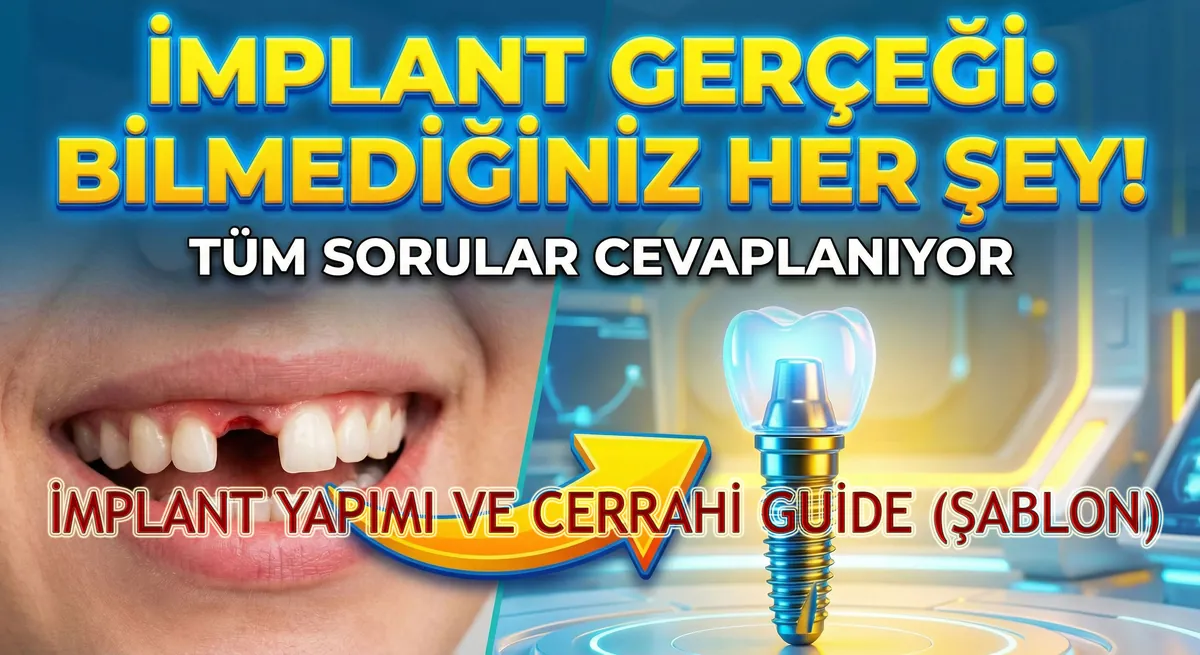
On the imaging data, the position, angle and depth of the implant are planned digitally. In suitable cases this plan is transferred to surgical guide splints that sit on the gums. Guided surgery helps make the procedure more predictable and helps protect neighbouring structures; it is not mandatory for every case.
3. Placing the implant (the surgical stage)
Surgery is usually carried out under local anaesthesia in a single session. A site is prepared in the jaw bone, the titanium implant body is placed and the area is closed. Depending on the bone, additional procedures such as grafting, sinus floor elevation or guided bone regeneration can be planned in the same session. After the procedure, routine prescriptions, cold application advice and dietary guidance are given.
4. Healing period and osseointegration
The implant needs time to fuse with the bone (osseointegration); this period varies from a few weeks to a few months depending on the region of the jaw and the patient's healing response. During this time the patient's appearance and chewing comfort can be maintained with temporary solutions. Follow-up matters because smoking, uncontrolled diabetes and inadequate oral hygiene can affect this period negatively.
5. The superstructure: impression, abutment and prosthesis
Once integration is complete, an abutment is fitted onto the implant and an impression is taken. The superstructure is then prepared as a crown, bridge or removable prosthesis. The choice of material at this stage (such as zirconia, metal-supported porcelain or acrylic) directly affects both the aesthetic result and the total cost. For aftercare habits, our article on implant aftercare recommendations may be a useful guide.
| Stage | What happens | Visit |
|---|---|---|
| 1. Assessment | Examination, panoramic X-ray, CBCT if needed, written plan | Remote or first visit |
| 2. Planning | 3D plan, surgical guide preparation, deciding on grafting | Remote or first visit |
| 3. Surgery | Implant placement, graft or sinus procedure if needed, sutures | Visit 1 |
| 4. Healing | Osseointegration follow-up, check-ups, temporary restoration | Follow-up at home |
| 5. Prosthetics | Impression, abutment, delivery of crown, bridge or prosthesis | Visit 2 |
What Determines the Cost of Implant Treatment?
A patient searching for "dental implant prices in Turkey" usually wants to see one number; in reality a realistic figure can only be calculated after your own imaging has been reviewed. The headings below also explain why two clinic offers can look so different.
Number of implants and the region treated
How many teeth are missing and where the loss is located is the main determinant. Treatment planned for a single missing tooth and the rehabilitation of several adjacent teeth, or of a whole jaw, are not the same scope of work. In the upper jaw, areas next to the sinus, and in the lower jaw, proximity to the nerve, affect planning and the number of procedures.
Bone grafting and advanced surgical procedures
Sufficient bone volume is needed for the implant to sit healthily. Where it is lacking, additional procedures such as grafting, sinus floor elevation or guided bone regeneration may be required. These mean both an extra surgical stage and extra materials; this is one of the items that changes the scope the most.
Implant brand and the quality of components
Clinics use different implant systems. Surface technology, available body diameters, the availability of abutments and screws, and long-term component support all play a role in choosing a system. Because a single brand name can cover different series, an offer should state in writing not only the brand but the series and components to be used.
Superstructure: type and material of the prosthesis
The material and design of the restoration placed on the implant clearly affect the cost. A single crown, a multi-unit bridge and a prosthesis covering a whole jaw do not require the same laboratory work. When choosing a material, aesthetic expectations, the condition of the opposing teeth and chewing forces are assessed together.
Imaging and digital planning
Panoramic X-ray, three-dimensional imaging, impressions and facial scanning are necessary for safe planning. Some of these are invoiced as separate items and some are included in the treatment package. Asking which imaging is included prevents surprising extra costs later.
Number of appointments, laboratory and review processes
An in-house laboratory can shorten impression and try-in steps and allow quick adjustments. Working with an external laboratory, on the other hand, may spread some procedures over different days. The number of review appointments, interim procedures and supportive treatments also change the scope of the plan. This is why "how many appointments" should always be asked together with "what is included".
| Factor | What it changes | Why ask about it |
|---|---|---|
| Number and region of implants | Surgical time, number of components | Missing teeth must be clear in the offer |
| Bone graft / sinus procedure | Extra surgery and materials | The most frequent later addition |
| Implant system and components | Part support and compatibility | Exact brand and series in writing |
| Prosthesis material | Aesthetics and laboratory work | A single crown, a bridge or a full prosthesis |
| Imaging and planning | Extra diagnostic items | Included in the package or separate |
| Appointments and laboratory | Visits and time plan | Determines how many trips are needed |
Why Advertised Package Prices Are Risky to Compare
Advertised package prices are often valid only under specific assumptions: that bone volume is sufficient, that a limited number of implants are needed in one area, that the superstructure is made from a standard material and that no additional procedure is required. When your own situation does not match one of those assumptions, the low figure changes quickly. When comparing, it is better to look at scope rather than at the number. Ask these questions in writing: which imaging is included, which implant system and which components will be used, how grafting is priced if it is needed, how many review appointments are included, which material the superstructure will be made from, and how a possible revision is handled? An offer that cannot answer these questions in writing is not suitable for comparison. In the same way, extra items added after an unusually low offer damage trust.
How to Get a Written Treatment Plan from Abroad
Obtaining a written preliminary plan before travelling is the healthiest step for both budget and time planning. The process consists of a few simple steps:
- Share your existing panoramic X-ray, or your CBCT scan if you have one, in digital form.
- Add photographs of the inside of your mouth and documents from any previous treatments.
- Report your general health, the medication you use and any allergies in writing.
- Ask the clinic for a preliminary plan with each item listed separately.
- Share the plan with your own dentist at home and get a second opinion.
- Build your travel schedule together with the healing period in mind.
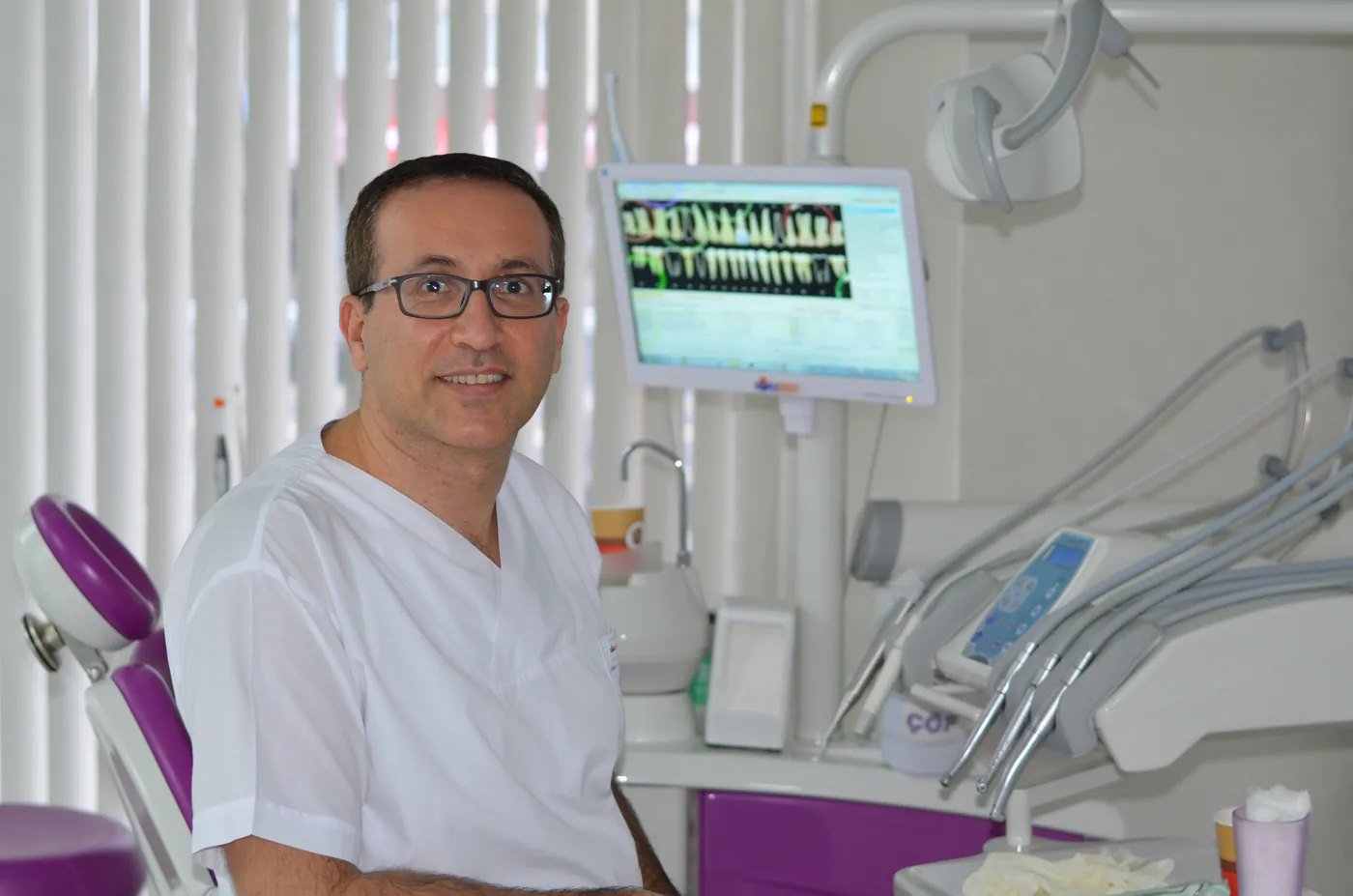
Verbal estimates given without imaging can be misleading; a clear plan offer is therefore prepared only after the X-ray and, if needed, the tomography have been reviewed. For the questions frequently asked by patients coming from abroad, our international patients page is a good starting point, and for detailed information about the clinic's dentist Dt. Sertaç Kızılkaya you can visit drsertac.com. For general information about the treatment and what follows it, you can look at our implant treatment page.
Our clinic, Korudent Diş Polikliniği, is located in the Küçükçekmece district of Istanbul, where the treatment and review appointments take place.
Frequently Asked Questions
How many days does implant treatment in Turkey take?
For a single missing tooth, surgery and the restoration after healing may be spread over two separate visits; where several implants are needed and bone grafting or a sinus procedure is added, the healing period is longer. The exact timeline is planned only after examination and imaging, respecting the maximum time needed for bone fusion. The healing period can be spent at home and a second visit is planned for the superstructure.
Why can the cost of implants not be given precisely in advance?
Because the cost is directly related to your bone volume, the number of missing teeth, any additional surgical procedures required and the prosthesis material chosen. This information only becomes clear once the X-ray and three-dimensional imaging have been reviewed. Figures given without imaging rest on assumptions and may change during treatment; a reliable amount is set out item by item in a written plan.
Is language support available for patients coming from abroad?
At our clinic, consultations are conducted in Turkish and English, and correspondence is handled in these two languages. The French and English versions of the information on this page are provided for visitors who prefer to read about the treatment in their own language. If anything other than language is a barrier, telling us before the appointment makes planning easier.
Can an implant be done if there is not enough bone?
Where bone volume is insufficient, a suitable base can often be prepared with procedures such as grafting, sinus floor elevation or guided bone regeneration. These add an extra stage and time to the treatment plan; in some cases, alternative restorations may be more appropriate than an implant. The decision is made with the imaging and examination findings.
What should be considered after implant treatment?
In the first days, taking the prescribed medication regularly, applying cold compresses, avoiding smoking and eating soft foods support healing. In the long term, daily cleaning around the implant and the gum margin, six-monthly check-ups and professional maintenance are the main ways of protecting the health of the tissues around the implant. Attending review appointments on time helps problems be noticed early.