What Is a Dental Implant and How Is It Applied?
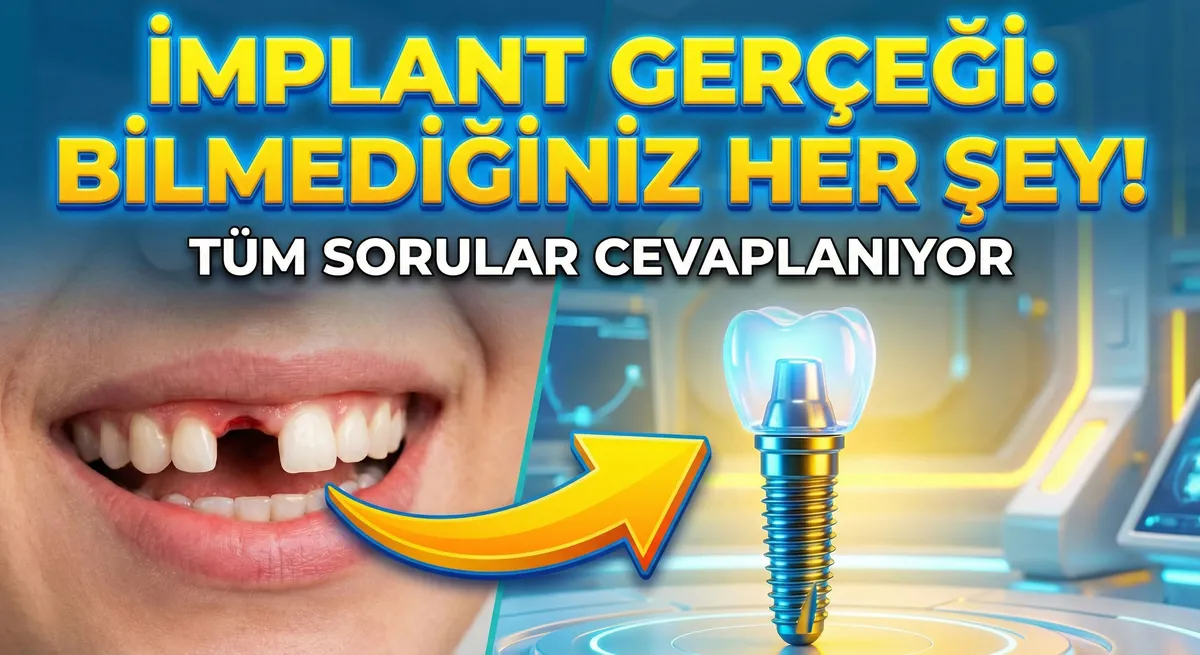
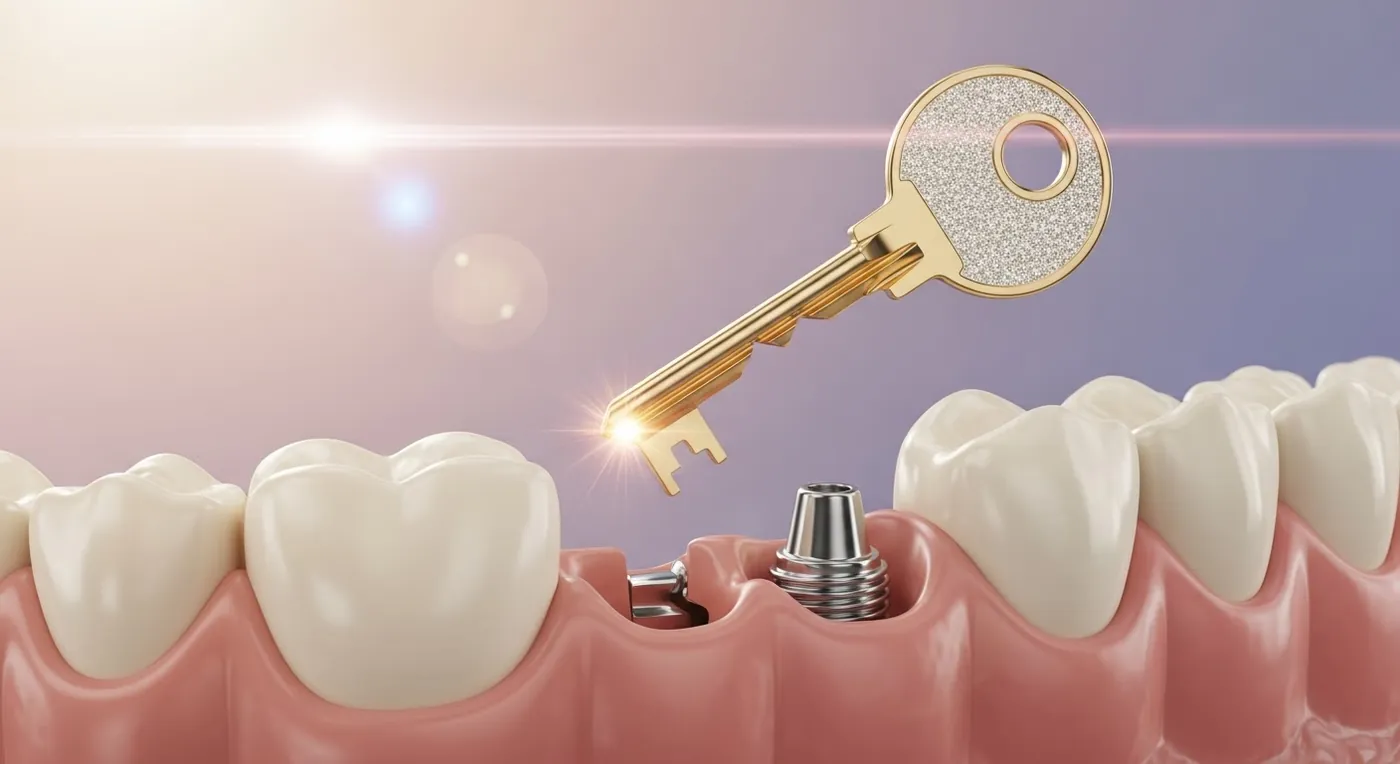
A dental implant is an artificial tooth root made of titanium that is placed into the jawbone in order to regain the function and aesthetics of lost teeth. Thanks to advancing digital dentistry, implant applications can today be completed in a much faster, safer and more comfortable way.
If you are travelling from abroad, the planning runs differently: the international patients page explains which imaging is required, how many days you need in Istanbul and how the written treatment plan is prepared.
Stages of Implant Treatment
Implant treatment in our clinic is generally carried out in the following stages:
- 3D Tomography and Planning: At the first examination, our patient's jaw structure is scanned with 3-dimensional dental tomography. The angle, depth and bone thickness at which the implant will be placed are planned in a computer environment.
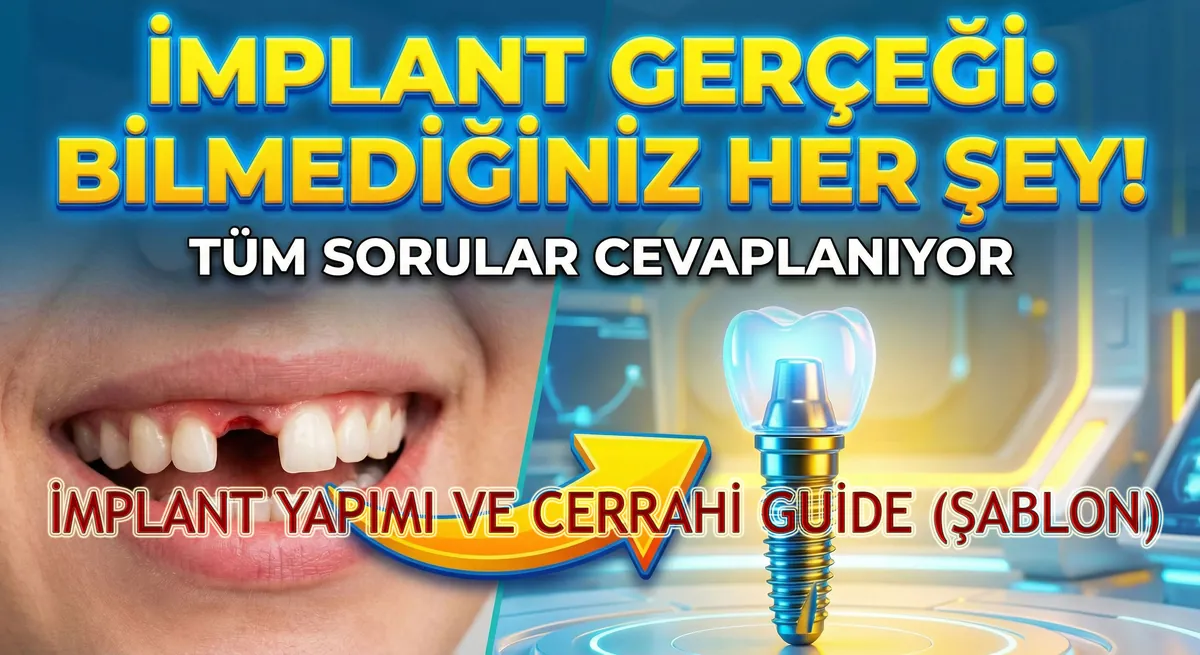
- Surgical Stage (Sutureless Implant): The implant is placed into the jawbone using the prepared surgical guide (template). The aim of this approach is to minimise swelling and pain after the procedure.
- Fitting the Temporary Teeth: In suitable cases, your temporary fixed teeth can be fitted on the day the implant is placed.
- The Fusion (Osseointegration) Process: The integration of the implant with the bone takes an average of 2-3 months in the lower jaw and 3-4 months in the upper jaw. If a bone graft application has been performed, this period may take a little longer.
- Permanent Prosthesis Stage: Once the fusion is complete, a digital impression is taken and your permanent zirconia or porcelain teeth are prepared and fixed onto the implant.
Full-Mouth Dental Implants and Points to Consider
For patients who have lost all or a large part of the teeth in their mouth, full-mouth dental implants are a modern dental treatment method that markedly improves quality of life. Unlike conventional removable (palatal) dentures, complete implant treatments offer the patient chewing, speaking and aesthetic smile comfort similar to their own natural teeth.
Which Techniques Are Used in Full-Mouth Implants?
When no teeth remain in the mouth, there is no need to place a separate implant for every missing tooth. Generally, a certain number of implants are placed per jaw and fixed bridges are built:
- All-on-4 Technique: In patients with bone loss in the posterior parts of the jaw, this is the procedure of screwing same-day fixed temporary teeth onto 4 implants placed at an angle. In this way, the need for adding bone graft is minimised.
- All-on-6 Technique: In patients whose bone level is sufficient, this is a treatment method performed by placing 6 implants per jaw, with high load-bearing capacity and stability.
- Classical Implant Bridges: Depending on the bone condition, 8 implants per jaw are placed and a full-arch restoration is carried out with permanent porcelain or zirconia bridges.
Advantages of Full-Mouth Dental Implants
Problems of conventional removable palatal dentures such as coming out of the palate, rubbing or making sounds while speaking are largely eliminated with full-mouth dental implants. It slows down bone loss, helps prevent the sinking of facial contours and restores the patient’s self-confidence.
Criteria Affecting Implant Prices
Since implant treatment is planned individually for each person, it is not possible to speak of a single standard price. The main factors that determine the price are the following:
- Implant Brand and Origin: While domestically produced implants offer more economical solutions, the costs of premium imported brands of Swiss, German or Swedish origin are higher.
- Bone Structure and Additional Treatments: In cases where the jawbone is insufficient, additional surgical procedures such as bone grafting, bone block operations or sinus lifting (sinus floor elevation) are reflected in the price.
- Number of Implants: As the number of gaps to be treated increases, the amount of implants required and therefore the total cost change. In multiple missing teeth, the number of implants can be optimised with special techniques such as All-on-4 or All-on-6.
- Prosthesis Material: Whether the permanent tooth to be made on the implant is porcelain, zirconia or monolithic zirconia affects the price.
The definitive treatment plan and cost are communicated by your physician after clinical examination and 3D tomography evaluation.